Overhead Rates Using The Traditional Approach - (a) compute the overhead rate using the traditional (plantwide) approach. For example, setup costs are related to the number of setups.

Calculate Predetermined Overhead And Total Cost Under The Traditional Allocation Method Principles Of Accounting Volume 2 Managerial Accounting
For example, a production facility that is fairly labor intensive would likely determine that the more labor hours worked, the higher the overhead.

Overhead rates using the traditional approach. Overhead rate using activity based costing is calculated as: Historically, the company has used the traditional allocation method and applied overhead at a rate of $21 per machine hour. Overhead rates using the traditional approach = $1,143,450/$544,500.
Differences between activity based costing and traditional costing: The department allocation a method of allocating costs that uses a separate cost pool, and therefore a separate predetermined overhead rate, for each department. Remember, total estimated overhead costs.
12.25.) predetermined overhead rate % of direct labor cost link to text link to text video: Predetermined overhead rate (logistics) = $3,500/540 = $6.5/hour; (c) determine the difference in allocation between the two approaches.
4)calculation for the amount of overhead that would be allocated to the wool and cotton product lines. Overhead rate=overhead allocated/total machine h… view the full answer transcribed image text : (round answer to 2 decimal places, e.g.
Using overhead rates determined for each cost pool. Approach is similar to the plantwide approach except that cost pools are formed for each department rather than for the entire plant, and a separate predetermined overhead rate is established for each department. For the solid center ball, the overhead calculated is $0.44 per unit using the abc method and $0.53 per unit using the traditional method.
Overhead cost allocated to the machining activity cost pool is $270,000 and $180,000 is allocated to the machine setup activity cost pool. (round answer to 2 decimal places, eg. 12.25.) overhead rates using the traditional approach per direct labor hour link to text link to text what amount of overhead would be allocated to the wool and cotton product lines using the traditional approach, assuming direct labor hours were incurred evenly between the wool and cotton?
What we know from the first example is that the overhead absorption rate for department a was $20 per machine hour, and for department b it was $25 per labour hour. Ecofabrics has budgeted overhead costs of $1,105,650. (a) compute the overhead rate using the traditional (plantwide) approach.
Total estimated overhead costs are $240,000. Let's continue our previous example and see how overheads will be absorbed using the overhead absorption rates that we've calculated previously. So, the overheads will be allocated at a rate of $2.9 per machine hour spent, $6.5 per labor hour and $50 per production set up.
Indirect measurement activity based costing treats overhead costs essentially as direct costs, in that cost estimates reflect actual cost driver usage for each product. Compute the overhead rate using the a traditional (plantwide) approach. For example, a traditional costing calculation might find that factory overhead should be charged to products at the rate of $500 per direct labor hour, so if there is a slight change in the production process that increases direct labor by one hour, the cost of the product has just increased by $500 of overhead.
Unlike abc, traditional costing systems treat overhead costs as a single pool of indirect costs. Overhead cost allocated to the machining activity cost pool is $270,000 and $180,000 is allocated to the machine setup activity cost pool. It was determined that there were three cost pools, and the overhead for each cost pool is shown:
Overhead rate=overhead allocated/cost driver cutting department: Traditional costing systems apply indirect costs to products based on a predetermined overhead rate. The main problem with the traditional approach of using plantwide and departmental overhead rates is that a product’s consumption of overhead resources may not be strictly related to units produced.
Until now, you have learned to apply overhead to production based on a predetermined overhead rate typically using an activity base. Traditional costing is optimal when indirect costs are low compared to direct costs. Overhead rates using the traditional approach =$2.1 per direct labor hour.
(a) compute the overhead rate using the traditional (plantwide) approach. Under the traditional method of allocating factory overhead (manufacturing overhead, burden), most of the factory overhead costs are allocated on the basis of just one factor such as machine hours or direct labor hours.in other words, the traditional method implies there is only one driver of the factory. If overhead is applied using traditional costing based on direct labor hours, the overhead application rate is.
The plant wide overhead rate is given by: Traditional cost accounting typically puts overhead components into fewer categories, or even a single class, and uses a single allocation rate for all products. An activity base is considered to be a primary driver of overhead costs, and traditionally, direct labor hours or machine hours were used for it.
3) calculation for the overhead rate using traditional approach. = total estimated overhead / (direct labor cost for standard bags + direct labor. Overhead cost allocated to the machining activity cost pool is $140,000, and $100,000 is allocated to the machine setup activity cost pool.
There are several steps in the traditional costing process, including the following: Total estimated overhead costs are $450,000. Factory overheads are a small fraction of the labor cost and are deemed as resources expended to support labor activities.
Total estimated overhead costs are $450,000. As volumes (units) change, direct labor costs, as do overhead costs, vary in proportion to changes in units of production. Compute the overhead rate using the traditional (plantwide) approach.
The reason for the differences is the traditional method determines the cost allocation using direct labor dollars only, so a product with high direct labor dollars gets allocated more of the overhead costs than a product with low direct labor dollars. What is the major weakness of the traditional method of allocating factory overhead?
Activity-based Vs Traditional Costing
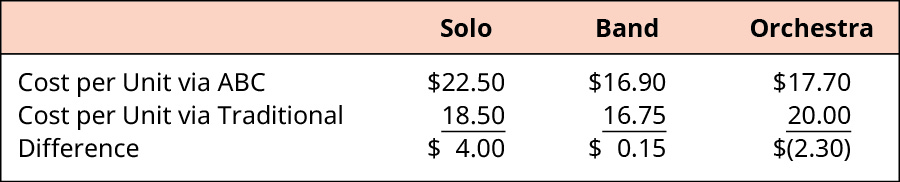
Compare And Contrast Traditional And Activity-based Costing Systems Principles Of Accounting Volume 2 Managerial Accounting
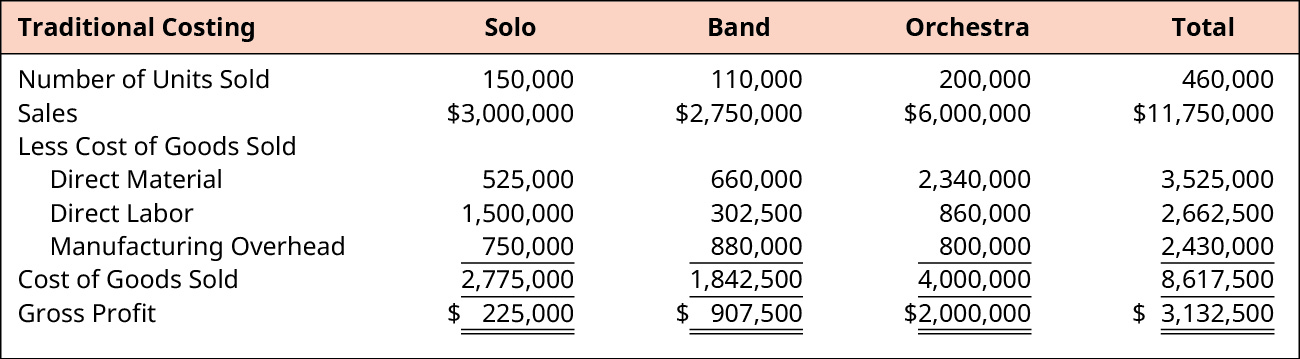
Calculate Predetermined Overhead And Total Cost Under The Traditional Allocation Method Principles Of Accounting Volume 2 Managerial Accounting

Approaches To Allocating Overhead Costs Accounting For Managers

Calculate Predetermined Overhead And Total Cost Under The Traditional Allocation Method Principles Of Accounting Volume 2 Managerial Accounting

Activity-based Vs Traditional Costing
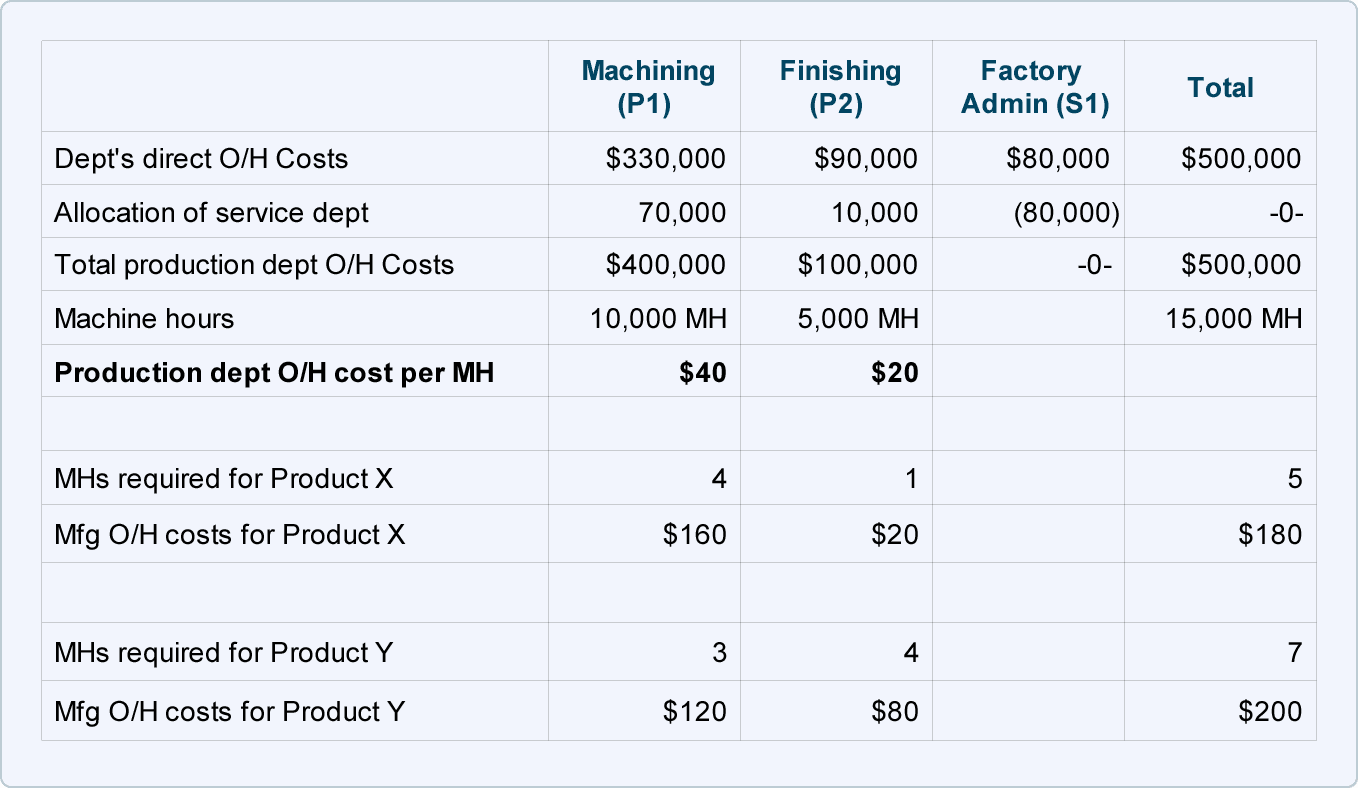
Traditional Methods Of Allocating Manufacturing Overhead Accountingcoach
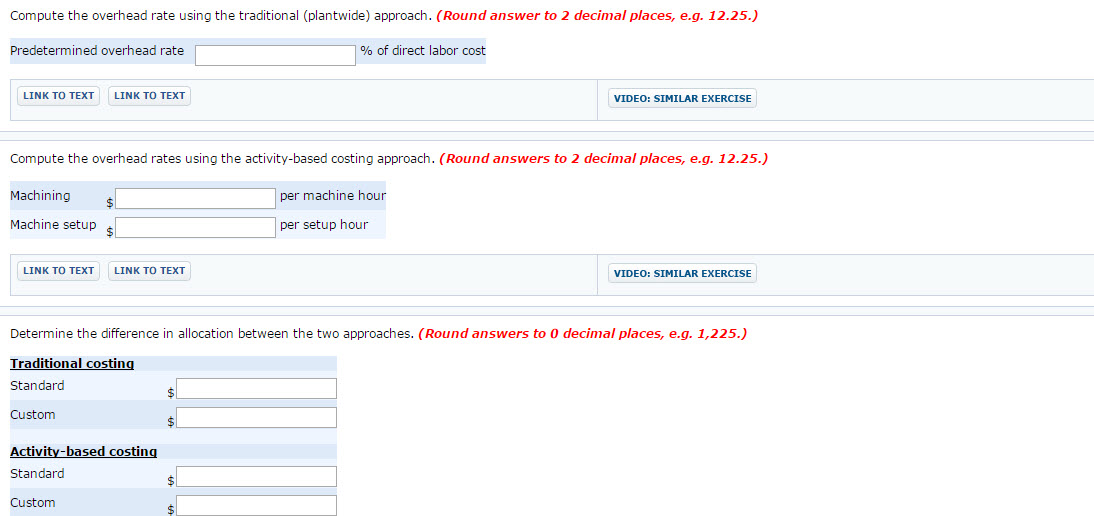
Solved Exercise 17-1 Saddle Inc Has Two Types Of Handbags Cheggcom

Activity-based Vs Traditional Costing
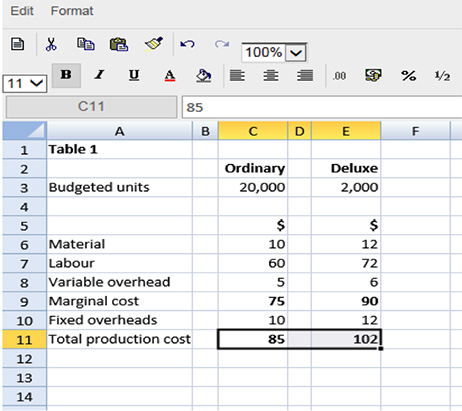
Activity-based Costing F5 Performance Management Acca Qualification Students Acca Global
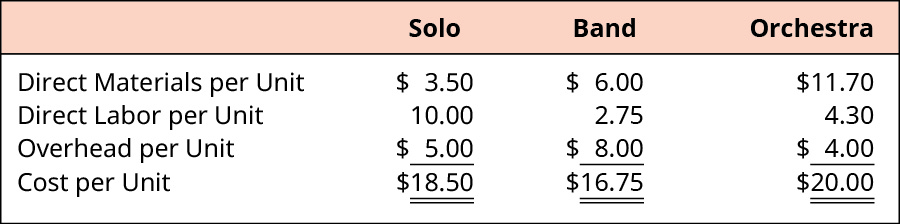
Calculate Predetermined Overhead And Total Cost Under The Traditional Allocation Method Principles Of Accounting Volume 2 Managerial Accounting
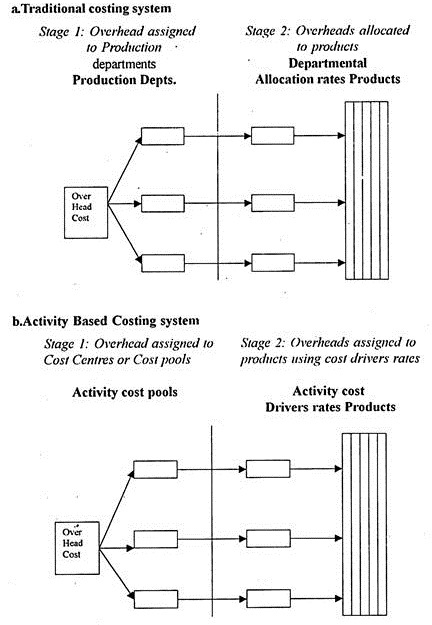
Activity Based Costing Meaning Definitions Features Steps Limitations Benefits Uses And Examples
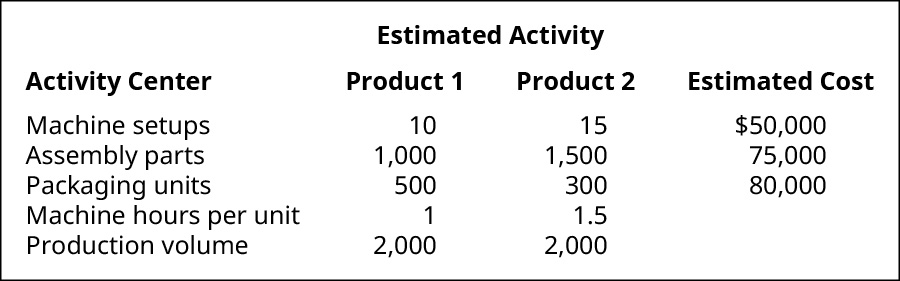
Compare And Contrast Traditional And Activity-based Costing Systems Principles Of Accounting Volume 2 Managerial Accounting

Approaches To Allocating Overhead Costs Accounting For Managers
